
The Truth About Mammograms: 6 Myths That Could Be Putting Your Health at Risk
Getting a mammogram isn’t always top of mind—especially if you feel healthy, have no family history, or worry about discomfort.
But breast cancer survivors will tell you: waiting can be a risk you don’t want to take.
Most early-stage breast cancers have no symptoms.
If you're a woman between 35 and 65, the myths below might be standing between you and a potentially life-saving screening.
Knowing the facts could help you catch cancer early—when it’s easiest to treat.
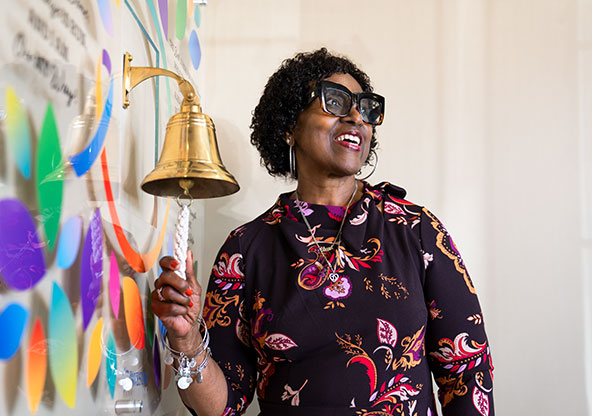
Myth 1: “I don’t need a mammogram unless I have symptoms.”
The Myth
Some women believe they need a mammogram only if they feel a lump or have symptoms. This could be because doctors and health care officials encourage self-examinations.
It is true that when you feel a lump, you need a screening, and that self-examination is an encouraged way to identify early signs of breast cancer.
However, not all breast cancer can be identified with a self-examination.
Debra Screens Yearly for a Reason
Debra Johnson was diagnosed with triple-negative breast cancer, a form of cancer that is more aggressive and challenging to treat.
But Debra, a CHRISTUS Ochsner patient in Lake Charles, Louisiana, has been proactive about her health and went for her annual mammogram "like clockwork."
Doctors found a spot that was small but aggressive. Had she waited, it could have spread to the rest of her body.
"In October of 2023, I went in for my mammogram and annual checkup, and a day or two later, I got the report back, and I was told that there was a spot there,” Debra said. “The size of it was the size of a sweet pea. It was tiny but very aggressive.”
Debra survived because she caught it early.
The Reality of No Symptoms
Most early-stage breast cancers have no noticeable symptoms. By the time you feel something, cancer may have already advanced. The goal of annual examinations is to make sure breast cancer is caught early.
Studies show that when women find breast cancer before it spreads, women have a 99% survival rate after five years.
Once cancer spreads to lymph nodes or other parts of the body, your survival dramatically decreases.
Mammograms can detect cancer years before it can be found by feeling a lump. That is why annual screenings often save lives. Early detection through mammograms means that treatment can begin earlier, possibly before the cancer spreads.
More about Women's Health
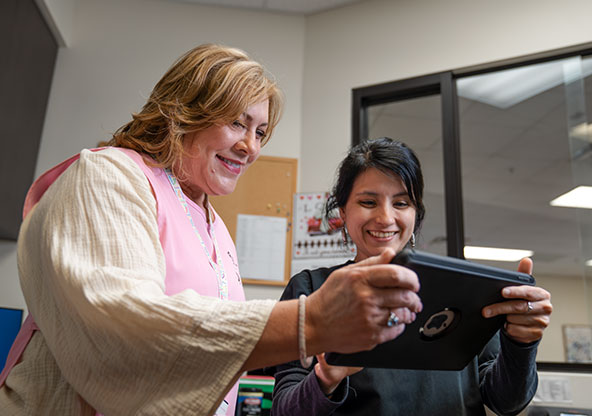
Myth #2: “A mammogram is the only way to detect breast cancer.”
The Myth
Many women believe that mammograms are the only tool for detecting breast cancer.
The Reality
While mammograms are the gold standard for breast cancer screening, some cancers require additional imaging to be found.
Mary’s Story
In 2018, Mary went in for her routine mammogram. Her physician assistant noticed something unusual, which led to a diagnostic mammogram — a more detailed screening where radiologists review the images immediately.
From there, Mary had an ultrasound to take a closer look. That test led to a biopsy, which confirmed she had stage one breast cancer.
"These are just a few minutes of your life that can save your life," Mary said.
Her experience shows that mammograms aren’t random or unreliable — they are part of a multi-step process designed to catch cancer early.
Other Types of Breast Imaging:
- 3D Mammograms (Tomosynthesis): Provide a more detailed view of breast tissue, especially for women with dense breasts.
- Breast Ultrasound: Often used to evaluate areas of concern found on a mammogram.
- Breast MRI: Recommended for women at high risk of breast cancer due to family history or genetic mutations like BRCA1 and BRCA2.
For most women, an annual mammogram is enough. But when doctors see something unusual, these additional tests help provide answers.
Early detection works best when screenings are tailored to you. Talk to your doctor about the right approach for your risk level.

Myth #3: “If I don’t have a family history of breast cancer, I don’t need to worry.”
The Myth
Many women assume breast cancer runs in families, so if their mother or sister didn’t have it, they’re safe.
The Reality
According to the CDC, 5% to 10% of breast cancer is genetic. There are specific genes that increase the risk of breast cancer, such as BRCA1 and BRCA2. However, most women diagnosed with breast cancer have no family history at all.
Linda Never Expected Breast Cancer
Linda, a CHRISTUS Health patient in Corpus Christi, never expected a breast cancer diagnosis. Without a family history of the disease, her routine mammogram came as a shocking surprise.
"I've always done screenings even though I have had no breast cancer in my family to my knowledge," Linda said.
In October of 2023, Linda went in for her regular mammogram — something she had always been proactive about. But this time, the results were different. The next day, she received a call asking her to come back for further tests.
Her doctor didn’t wait long to deliver the news. On a Friday night, he called Linda and confirmed the diagnosis: stage one breast cancer.
Aging is a Risk Factor
Being a woman and aging are the biggest risk factors. Regular screenings are necessary—even if no one in your family has had breast cancer.
Most women who are diagnosed with breast cancer have no family history of the disease. The most significant risk factors for breast cancer are being female and increasing age.
While genetics can play a role, other factors like lifestyle, environmental exposures, and chance can also contribute to breast cancer development.
Linda completed her treatment with minimal side effects and is now cancer-free. She remains on a preventative regimen that includes hormone therapy and biannual infusions to reduce the risk of recurrence.
"I'm doing everything I was doing before," Linda said. "And I’m so grateful that I didn’t wait."

Myth #4: “Mammograms aren’t accurate; they miss cancer all the time.”
The Myth
Some women don’t trust mammograms because they’ve heard stories about false negatives.
The Reality
Mammograms are the best screening tool available and become even more effective with regular use.
Mammograms work—look at the results:
In 2018, during a routine visit, Mary’s physician assistant noticed something unusual. This led to a diagnostic mammogram—a more detailed screening where radiologists read the images immediately.
The process didn’t stop there. An ultrasound followed, which led to a biopsy that confirmed Stage 1 breast cancer.
"These are just a few minutes of your life that can save your life," Mary said.
Her experience shows that mammograms aren’t random or unreliable—they are carefully conducted medical procedures designed to catch cancer early through a multi-step process.
What you need to know
- Most callbacks are not cancer: If a mammogram shows something concerning, doctors often recommend follow-up tests like a diagnostic mammogram, ultrasound, or biopsy to get a closer look. Most of the time, it’s not cancer.
- Catching something early usually means less invasive treatment. Early detection often means avoiding more aggressive treatments like mastectomy or chemotherapy.
- Regular screenings increase accuracy. Even if one mammogram misses something, regular screenings make it more likely that any changes will be caught early.

Myth #5: "I had a normal mammogram last year, so I don't need another one this year."
The Myth
Some women believe that if they had a normal mammogram last year, they wouldn't need another one this year.
The Reality
Breast cancer can develop quickly, even within a year. Annual mammograms are crucial for catching any changes early.
Ivette caught aggressive cancer early
Ivette, a patient at CHRISTUS Health in Tyler, said that she was diagnosed with an aggressive form of cancer. She described it as a "grade three" tumor and said the tumor was not present in her previous screening six months earlier.
The tumor had developed quickly and was an estrogen-positive carcinoma. Despite the aggressive nature of her cancer, she was fortunate that it was detected early and had not spread to her lymphatic system.
Ivette said never to skip an annual screening, regardless of previous normal results. She stressed that early detection makes a difference in any cancer diagnosis.
Specifically, she advised women to:
- Never miss yearly check-ups
- Prioritize medical appointments, especially screenings
- Understand that cancer can develop quickly
"Prevention is key in life," Ivette said. "Early detection can save a life."
She credited her consistent screenings with catching her aggressive cancer early, which ultimately led to successful treatment.
What You Need to Know
- Breast cancer can develop quickly. Some breast cancers grow so fast that they can appear within months of a normal mammogram. That’s why annual screenings are essential for catching changes early.
- Annual mammograms are crucial. Regular screenings increase the chances of detecting breast cancer at an early stage when it's most treatable.
- Every year is different. A normal mammogram one year doesn’t mean you’re in the clear the next. Cancer can develop between screenings.
- Mammograms detect cancer before symptoms appear. Mammograms can identify changes in breast tissue years before you would notice a lump, improving the chances of successful treatment.
Myth #6: “A false positive means the mammogram didn’t work.”
The Myth
Some women avoid mammograms because they worry about false positives and unnecessary biopsies.
The Reality
False positives are real—and getting called back for follow-up testing can be stressful. But it’s part of a thorough process designed to catch cancer early when it’s most treatable.
What You Should Know About False Positives
- Mammograms are highly sensitive, which means they sometimes detect harmless changes that aren’t cancer. That’s why doctors often recommend additional tests, like a diagnostic mammogram, ultrasound, or biopsy, to confirm what they’re seeing.
- Most follow-ups confirm that nothing is wrong—but the small chance that it could be cancer makes the extra step worthwhile.
- Catching cancer early gives you the best chance of successful treatment.
False positives are more common in:
- Younger women
- Women with dense breast tissue
- Women with a history of biopsies
- Women with a family history of breast cancer
- Women taking estrogen
The Bottom Line
Being called back after a mammogram can be stressful—but it’s part of a process designed to give you certainty and peace of mind. The goal is to catch cancer early, when it’s most treatable.
Request a Mammogram
Now is the time to take control of your health
We provide the technology and resources for early cancer detection, providing educational materials, guidance, and advanced screening technologies that can help detect and diagnose any abnormalities.
