
Your Health Deserves a Check-In

Feeling okay doesn’t always mean everything is okay
Editor’s note: This article was written by Dr. John Cannon III to encourage preventive care and help patients understand the value of checking in on their health, even when they feel well.
When life feels busy but manageable, it’s easy to assume your health is, too.
You’re getting through the day. You’re not in pain. Nothing feels urgent. That sense of “I’m okay” can be comforting, but it can also be misleading.
Feeling okay doesn’t always mean everything is okay. And when you feel okay, it’s still time to check in.
Meet Dr. John Cannon III
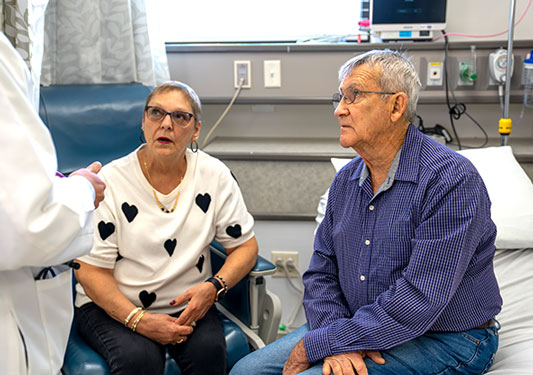
Pam and Kenneth Say Checking in Matters
Pam and Kenneth's experiences show why checking in matters even when you feel fine.
AFib doesn't always cause pain or obvious warning signs. For Pam, symptoms were frightening but unclear. Preventive care creates the space to notice quiet changes early, before they become emergencies.
Having a provider who knows your history can remind you that "feeling okay" isn't the same as being certain.
"Don't be stubborn. Look into it. Do your research. It's worth the time." Kenneth said.
One visit, one conversation, can uncover answers, open doors to treatment, and protect the life you want to keep living.
Preventive Care Helps Your Stay Ahead
Because you have preventive care does not mean you will find something wrong. It's about staying well, staying informed, and staying ahead. Small checkups often bring something we all need more of, peace of mind.
A yearly visit gives you a moment to pause. To ask questions, you may have brushed aside. To talk through changes that feel small now but could matter later. It's a chance to look at your health before it asks for attention on its own terms.
One visit can also mean something more important than a checklist, it can mean having a doctor who knows you.
A primary care provider is not just there for sick days. This is the person who learns your history over time. Who understands your family background, your routines, your concerns, and what "normal" looks like for you. When something changes, they notice. When something feels off, they listen.
Preventive care that saved Herbert's life
Herbert's story is a reminder that preventive care can help find treatment options before an emergency.
He felt fine, but a routine primary care visit revealed that he had high blood pressure.
Because his doctor knew his history and spoke up, he took the next step and serious heart disease was found in time. Preventive care lets your doctor pay attention to details. One routine visit can be the moment that keeps a crisis from ever happening.
"The routine visits are so important because your risk factors change,” said Dr. Janice Dara, Herbert's primary care provider. "They can change in three months. They can change in six months."

The Relationship with Your Doctor is key
That relationship matters because health is rarely a single moment. It's series of small signals and conversations that add up. Early conversations often lead to fewer surprises later. A quick discussion today can prevent a long recovery tomorrow.
Preventive care visits are designed to be simple and focused on you. Annual exams help spot concerns early, when they're easier to address. Blood pressure, cholesterol, routine screenings, and everyday questions all fit into one visit that helps build a clearer picture of your health.
Having one provider keeps your history in one place. You don't have to repeat your story every time. You don't have to guess what matters or what can wait. There's comfort in knowing someone is keeping track with you, not just when you're sick, but when you're well.
Many people delay these visits because they feel unnecessary, intimidating, or time-consuming. The reality is that most preventive care appointments are quick and straightforward. They're conversations, not interrogations. They're about clarity, not judgement.
Listening to her body saved her life
Pat's story shows how easily heart concerns can go unnoticed amid everyday life. Stress feels normal. Discomfort gets brushed aside. Feeling "fine enough" can delay important decisions.
Preventive care and heart awareness help create the pause Pat needed - the moment to listen to her body instead of pushing through.
Knowing risk factors, recognizing symptoms that don't look "classic," and having conversations before pain becomes urgent can change the outcome.
Paying attention early isn't about fear.
It's about giving yourself the chance to act, ask questions, and protect the life you're living.

It's also okay to show up without answers. You don't need to know what's wrong, or even if anything is wrong at all. You just need to be willing to check in. That's enough to start.
Health often changes quietly. Conditions like high blood pressure, diabetes, or heart disease don't always announce themselves with pain or obvious symptoms. Preventive care gives you a chance to catch these concerns early, when small adjustment can make a big difference.
More than anything, preventive care is about partnership. Your primary care provider becomes a steady presence, someone you can return to year after year, through changes, big and small. Someone who helps you navigate decisions and supports you in staying well.
Staying ahead of your health doesn't require dramatic action. It starts with one visit. One conversation. One decision to check in, even when everything feels fine.
Schedule a visit with a primary care provider. Not because something is wrong, but because your health is worth paying attention to while it's still on your side.
Crystal's story of early warning signs and recovery
Crystal's story is a powerful reminder that your body often knows before you do.
Feeling busy, distracted, or "too young" doesn't make symptoms less real.
Preventive care - and trusting your instincts - creates space to pause and speak up before something becomes life-threatening.
As Crystal says, "Take it seriously. Listen to your body. Don't brush it off. If you have a concern, talk to your doctor...it truly could be something so big."
Checking in with your doctor, even when it feels inconvenient or uncertain, can uncover something big - and change everything that comes next.

Get preventive care with your family doctor
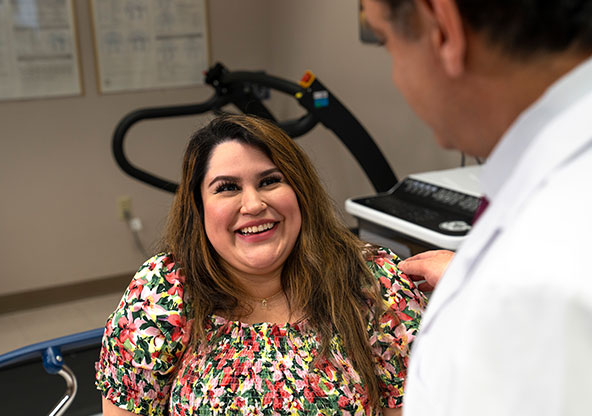
The family medicine team at CHRISTUS Health takes the time to listen, asks the right questions and guides you through everything from everyday illnesses to long-term wellness planning.
This means your doctor will listen, so you feel understood, supported and involved in your care.
