
What to Expect in Pregnancy
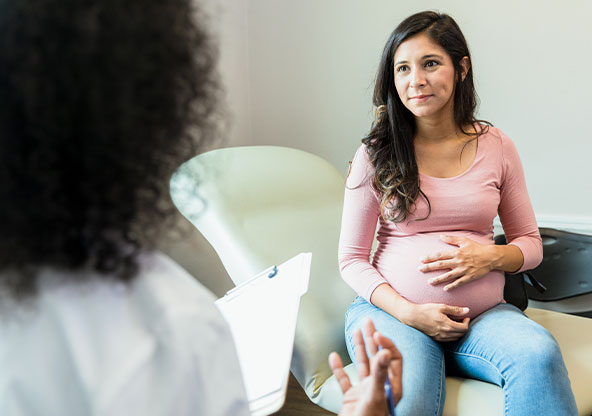
You’ve confirmed you’re pregnant—now what?
First of all, congratulations! As you navigate the incredible journey of pregnancy and motherhood, it’s important that through every stage, your number one priority is the health and well-being of you and your baby. Understanding what to expect during pregnancy can help you feel more confident and supported in the months ahead.
Here are some valuable tips to support a healthy pregnancy, including prenatal care, nutrition, doctor visits while pregnant, exercise, and what to expect in each trimester.
When to See a Doctor When Pregnant
Knowing when to see a doctor when pregnant is essential. Contact your clinician right away if you experience any of the following:
- Severe abdominal pain
- Heavy bleeding
- Sudden swelling in the face or hands
- Persistent headaches or vision changes
- Decreased fetal movement
- Fever or signs of infection
- Any symptom that feels unusual or concerning
- Reaching out early ensures you get the right care and reassurance as your pregnancy progresses.
Doctor Visits While Pregnant: Your Prenatal Care Schedule
One of the first steps toward a healthy pregnancy is scheduling regular prenatal visits with your OB-GYN. These appointments help monitor the well-being of you and your baby, address concerns, and promote a healthy pregnancy.
Regular doctor visits while pregnant typically occur every 2-4 weeks, and then weekly after week 37.
If you are high risk, your doctor may recommend more regular appointments. Women aged 35 or older or those who have chronic health conditions are considered high risk.
Here are general guidelines for when to schedule appointments with your OB-GYN if you are of average risk and when to consider when to see a doctor when pregnant sooner if something feels off.
6-10 weeks
As soon as you have a confirmed pregnancy, you should schedule your first prenatal appointment. Your OB-GYN will go over your medical history and lifestyle, your nutrition and exercise routines, and your estimated due date.
They will likely take your blood pressure, urine sample, blood work, and any other recommended screenings needed.
10-12 weeks
This will likely be a routine visit, where your health care team will take your vitals and evaluate the growth of the fetus to ensure proper development.
You may get an ultrasound and hear your baby’s heartbeat for the first time .
During this appointment, your doctor may also conduct a nuchal translucency scan, which examines the fluid-filled space behind the baby's neck. This scan is to check for the risk of chromosomal abnormalities, including Down Syndrome.
16-18 weeks
This will be another routine OB-GYN visit, where they will take measurements of the fetus and check in with your health. These routine visits are a great time to ask any questions and start writing your birth plan.
20-22 weeks
During this visit, you’ll undergo the anatomy scan ultrasound. This scan will measure the baby’s body, check on the organs, and check for health conditions.
Most organs are fully developed at about 10 weeks. This scan ensures the organs are developed and functioning properly. You will also get to find out your baby’s gender during this appointment if you want.
24-28 weeks
As you near your third trimester, your health care team will likely take your blood and urine samples to check for any imbalances, such as an iron deficiency. This may also be the appointment where you complete a glucose test to check for gestational diabetes.
32 weeks
This OB-GYN appointment will be a check-in for you and the baby.
Your health care team will check on the baby’s well-being, how much fluid is in the amniotic sac, and the baby’s weight, movement, and positioning.
Depending on your and the baby’s health, your doctor may suggest a weekly or bi-weekly appointment between this visit and your delivery.
36 weeks
Along with checking your vitals, this OB-GYN appointment will check the baby’s positioning, movement, and growth.
If the baby is not in a head-first position, your doctor may recommend exercises to reposition the baby.
If the baby does not reposition, you may need to discuss a C-section. During this appointment, you will also undergo a pelvic exam and vaginal swab test to check for bacteria that could affect the baby after delivery.
This is a good time to go through the signs of labor, make any needed changes to your birth plan, and walk through the delivery and recovery.
37-Delivery
As you Weekly appointments will help ensure you and your baby are ready for labor and delivery. Pelvic exams may be done to check for dilation and signs of early labor.
Throughout these stages, always trust your instincts about when to see a doctor when pregnant - especially if you notice unusual symptoms like severe abdominal pain, bleeding, decreased fetal movement, or persistent headaches.
Pregnancy and Parenting
Explore Classes and ServicesPregnancy and Parenting Services
Looking for expert support for pregnancy, birthing, newborn, or postpartum care? Find a class or service near you.
Nutrition During Pregnancy
What to eat during pregnancy
Nourishing your body with the right nutrients is crucial during pregnancy. You are fueling your body for all the changes it’s going through while feeding your baby to promote healthy growth and development.
Talk to your health care team about your diet to learn what's best for you and your baby.
Focus on a well-balanced diet that includes:
- Foods rich in folic-acid and iron
- Calcium
- Protein
- Fruits and vegetables
- Low-fat, pasteurized dairy products
You should also take a daily prenatal vitamin, ideally, starting at least one month before trying to conceive. You should continue taking these vitamins daily, especially during the first 12 weeks of pregnancy.
Prenatal vitamins contain a supplement of folic acid. This vitamin is crucial for proper fetal development, especially of the brain and spine.
Foods to avoid during pregnancy
Starting from the time you find out you’re pregnant, there are certain foods you should avoid.
These foods pose a higher risk of bacterial infection, which could cause food poisoning or food-borne illness. Food poisoning is often worse when you’re pregnant, and in some cases, it may harm the baby.
Here are the foods you should avoid while pregnant:
- Unpasteurized dairy, including milk, yogurt, and soft cheeses (unless labeled “made with pasteurized milk”)
- Raw or undercooked seafood, eggs, and meat
- Fish that contain high amounts of mercury, such as: swordfish, king mackerel, shark, and tilefish.
- Unheated lunch meats, hot dogs, and fermented or dry sausages
- Refrigerated pate or meat spreads
- Raw batter made with raw (uncooked) flour
You should also stop drinking all alcohol and stop smoking. These substances can harm your baby and cause developmental issues and complications throughout your pregnancy.
Exercise While Pregnant
Staying active is beneficial for both your physical and mental health, especially while pregnant. Low-impact exercises such as walking, swimming, and prenatal yoga can help maintain your overall health, reduce discomfort, and improve your mood.
Talk to your OB-GYN about what exercises would be best for you and your pregnancy.
Trimester-By-Trimester Expectations
Pregnancy is split up into three stages, called “trimesters.” Each trimester of pregnancy is 12-14 weeks. Understanding what to expect during pregnancy in each stage helps you feel more prepared.
Here’s a brief overview of what you can expect in each trimester.
Although each pregnancy is different, trimesters are used to help measure the development of your baby and the overall health of your pregnancy. It’s helpful to know what to expect throughout each trimester. Talk to your OB-GYN for personalized guidance about what to expect each week of pregnancy.
Body changes:
- Morning sickness, with nausea and possible vomiting
- Fatigue is common
- Hormonal changes may cause mood swings
- Frequent urination due to increased blood flow to the kidneys
- Heightened sense of smell and aversions to certain foods
Baby’s development:
- Your baby is about 3-4 inches in length, about the size of a plum
- By the end of the first trimester, your baby has a heartbeat and is developing essential organs
- Facial features and limbs begin to form
Body changes:
- Increased energy levels
- Baby bump may begin to show
- Your skin may change, with some experiencing the “pregnancy glow”
- Reduced morning sickness for many women
- Backaches as your body adjusts
Baby’s development:
- Rapid growth as the organs continue to develop
- By the end of the second trimester, your baby can hear sounds from the outside world
- Gender can often be determined through an ultrasound
Body changes:
- Weight gain becomes more noticeable as your baby continues to grow
- Braxton Hicks contractions may become stronger or more frequent. If you experience consistent contractions, talk to your doctor to ensure you are not in labor
- Swelling in your ankles or feet
- More frequent urination because of more pressure on the bladder
- Difficulty sleeping due to discomfort and anticipation
Baby’s Development:
- Your baby’s bones may harden
- The immune system develops
- Your baby’s position may shift, with the head moving down to prepare for birth
- By the end of the third trimester, your baby is likely ready for life outside the womb
Prepare to Bring Your Baby Home
Although 40 weeks seems like a long time, you’ll be bringing home a newborn before you know it.
Prepare your home for the new life with your baby before the baby arrives. It's a good idea to start preparing before your third trimester. Here are some things to add to your to-do list.
Create a nurturing environment at home for a smooth transition into motherhood. Creating a home that’s safe and healthy for a baby can be a long process, especially if you’re a first-time mom.
Most pregnant women start making changes in their homes in their first and second trimesters when they're most mobile.
As the baby grows, it will be more difficult to get around the house and make these changes.
Here are some things to consider before your baby is born.
Baby-proof your home:
- Put baby gates up on stairs and entryways
- Cover sharp corners with cover guards
- Install door and cabinet locks
- Secure furniture
- Remove or hide cords
- Ensure harmful products are stored in a high, closed cabinet
- Remove choking hazards
Build a crib or bassinet:
Because of the risks of Sudden Infant Death Syndrome, most experts recommend room-sharing but not bed-sharing with your newborn.
Your baby should sleep in a crib or bassinet near your bed so you always have easy access to them, especially during the first few months when you will be feeding throughout the night.
Talk to your OB-GYN about their recommendations for how often and where your baby should be sleeping, and for feeding recommendations.
Assemble a nursery space:
Although your baby likely won’t be sleeping in a separate room until they’re at least 6 months old, it’s helpful to have space dedicated to the baby.
Your nursery space may include:
- A changing table
- Diapers
- Diaper trash can
- A mobile cart with nursing and feeding supplies
- Clothing
- A comfortable chair to feed and rock the baby
Promoting a healthy pregnancy is a gift to yourself and to your growing family. By prioritizing your and your baby’s health and well-being and understanding what to expect during pregnancy, you're setting the foundation for a positive transition into motherhood.
For additional support and information, consider finding an OB-GYN or enrolling in birthing classes. These resources can help you better understand doctor visits while pregnant, self-care during each trimester, and when to see a doctor when pregnant if any concerns arise.
Pregnancy and Parenting
Explore Classes and ServicesPregnancy and Parenting Services
Looking for expert support for pregnancy, birthing, newborn, or postpartum care? Find a class or service near you.